


Is AI Content Bad For SEO? What Google Actually Cares About

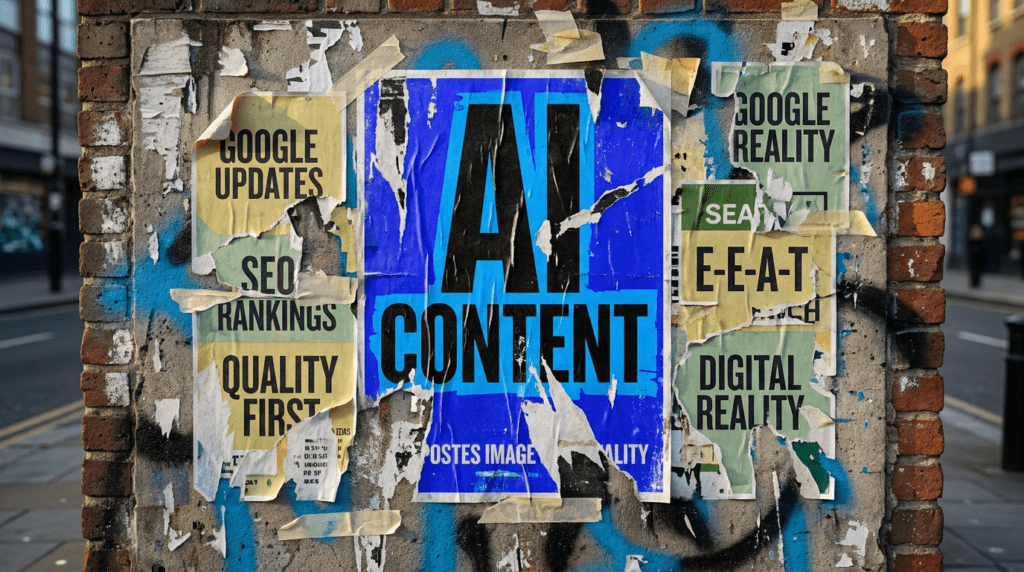
Is AI Content Bad For SEO? What Google Actually Cares About
If you’re asking is ai content bad for seo, you’ve probably seen people claiming Google can detect AI content, punish AI-written pages, or tank rankings automatically.
The reality is a lot less dramatic than that.
AI content is not automatically bad for SEO. Bad content is bad for SEO. The problem is that AI makes it very easy to produce huge amounts of weak, repetitive, generic content quickly.
That’s where things usually go wrong.
The quick version
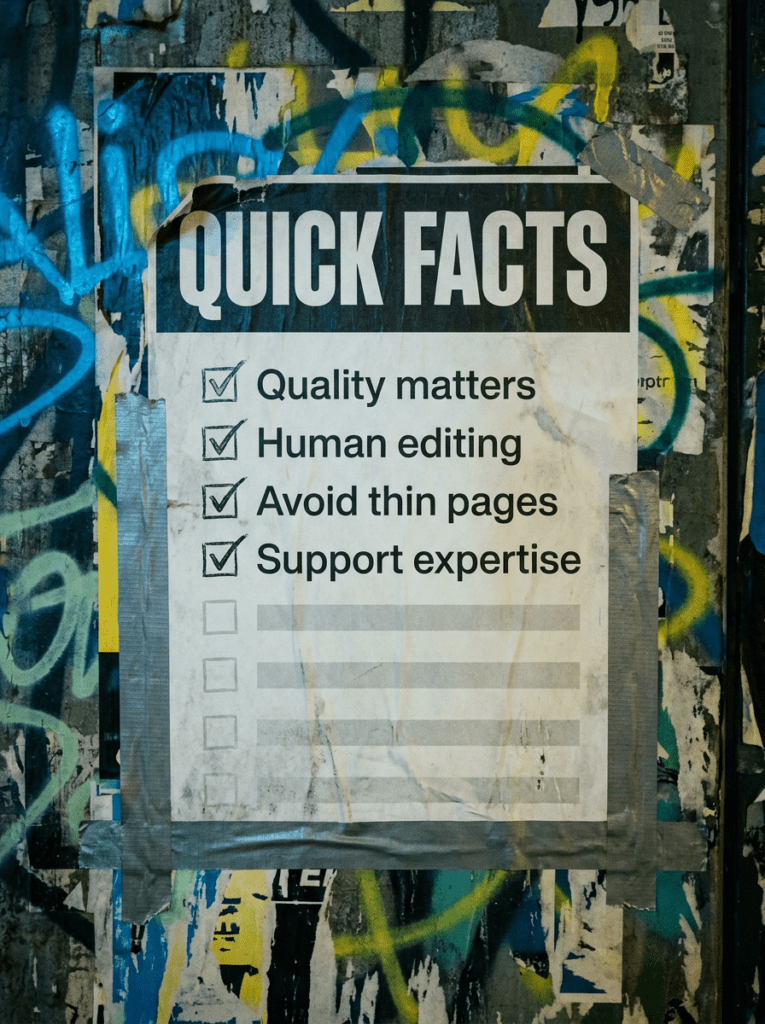
If you only have 20 minutes, start here. These are the biggest things to understand if you’re asking is ai content bad for seo.
- Google cares more about quality than how content was created
- Thin AI content performs badly because it adds little value
- Human editing still matters
- AI works best when used to support expertise, not replace it
- Mass-producing low-quality pages is where problems start
If that already feels like a lot, do not worry. Below is the full process in the right order.
Not sure where to start?
The biggest mistake people make when they ask is ai content bad for seo is treating AI as either completely harmless or completely toxic.
It’s neither.
AI is a tool. Used properly, it can speed up research, structure, ideation, and drafting. Used badly, it creates generic content that sounds like everyone else and gives Google no reason to rank it.
The better place to start is asking whether the content is genuinely useful, original, and worth showing in search results.

Our full guide: Is AI Content Bad For SEO
Work through this in order. Most AI content problems are quality problems disguised as AI problems.
Step 1: Understand what Google actually cares about
- Useful content
- Strong intent match
- Original value
- Clear expertise
- Good user experience
Google has repeatedly said it focuses on content quality rather than whether AI was involved in creating it. Google’s own guidance explains that automation and AI are not against its guidelines when used to create helpful, people-first content.
Step 2: Stop publishing generic AI filler
- Avoid surface-level rewriting
- Add real insight and opinion
- Improve weak AI phrasing
- Remove repetitive wording
- Make the content genuinely useful
Most bad AI content fails because it says nothing new.
Step 3: Edit properly
- Rewrite awkward sections
- Tighten weak wording
- Add examples and context
- Improve flow and readability
- Make the tone sound human
Publishing untouched AI drafts is where most people go wrong.
Step 4: Focus on originality
- Add personal experience where possible
- Include unique observations
- Bring in real-world examples
- Avoid copying competitor structures too closely
- Give Google something different to rank
If your AI content looks identical to everyone else’s, rankings become difficult.
Step 5: Match search intent properly
- Understand what users actually want
- Avoid mixing multiple intents together
- Structure content around the query
- Answer the main question clearly
- Keep the page focused
AI-written content still needs proper SEO fundamentals.
Step 6: Do not rely on AI to fake expertise
- Avoid pretending to have experience you do not have
- Support claims properly
- Add real expertise where possible
- Build trust signals across the site
- Focus on accuracy and usefulness
EEAT matters far more when AI content is involved.
Step 7: Be careful with scaling
- Avoid mass-publishing low-quality pages
- Review content before publishing
- Keep quality standards consistent
- Focus on usefulness over volume
- Improve pages continuously
Scaling bad content just creates bigger SEO problems faster.
Step 8: Improve over time
- Update content regularly
- Expand thin sections
- Improve pages based on performance
- Remove weak content where needed
- Keep refining your process
AI content works best when humans keep improving it.
Common mistakes
These are the things that usually sit behind people asking is ai content bad for seo, especially after rankings start dropping or pages fail to perform.
- Publishing untouched AI drafts
- Creating content with no originality
- Scaling low-quality pages too aggressively
- Ignoring search intent
- Using repetitive wording everywhere
- Faking expertise or authority
- Prioritising quantity over usefulness
DIY lane vs done for you lane
DIY lane:
If you want to use AI content properly, focus on quality, editing, originality, and making sure the content genuinely helps people
Done for you lane:
If you want the quicker route, we can help you build an SEO & AI strategy that uses AI properly without tanking quality or trust.
Related Guides on the wall
If you’re working through is ai content bad for seo, these will help strengthen the rest of your SEO & AI setup.
If you would rather someone handled this properly, our AI SEO packages build the SEO foundations first, then the AI-search layer on top. From £749/month.
- Read How to Do Keyword Research to improve intent targeting
- Use Why Am I Not Ranking On Google to diagnose wider ranking issues
- Read Why Is Nobody Engaging With My Content to improve readability and originality
Is AI Content Bad For SEO FAQs

No. Google cares more about quality, usefulness, and trust than whether AI helped create the content.
Google can identify patterns associated with low-quality AI content, but the bigger issue is whether the page is genuinely useful and original.
Yes. Human editing is one of the biggest differences between useful AI-assisted content and weak AI spam.
Absolutely. Strong AI-assisted content can rank very well when it is properly edited, useful, and aligned with search intent.

Quick tip
Rather have us handle this instead of DIY-ing it? That is literally the job.



Straight talking marketing that gets results.
No pressure, no jargon. Just a clear look at what’s stopping your site from bringing in more enquiries.
Get my free website reviewLike this guide?
Tell Google you want more like it. One click, no sign-up, and FlyPost guides start showing up more often in your search results.
Add FlyPost as a preferred sourceTakes you to Google, then straight back here.