
The Best Social Media For Small Business, And How To Pick Yours

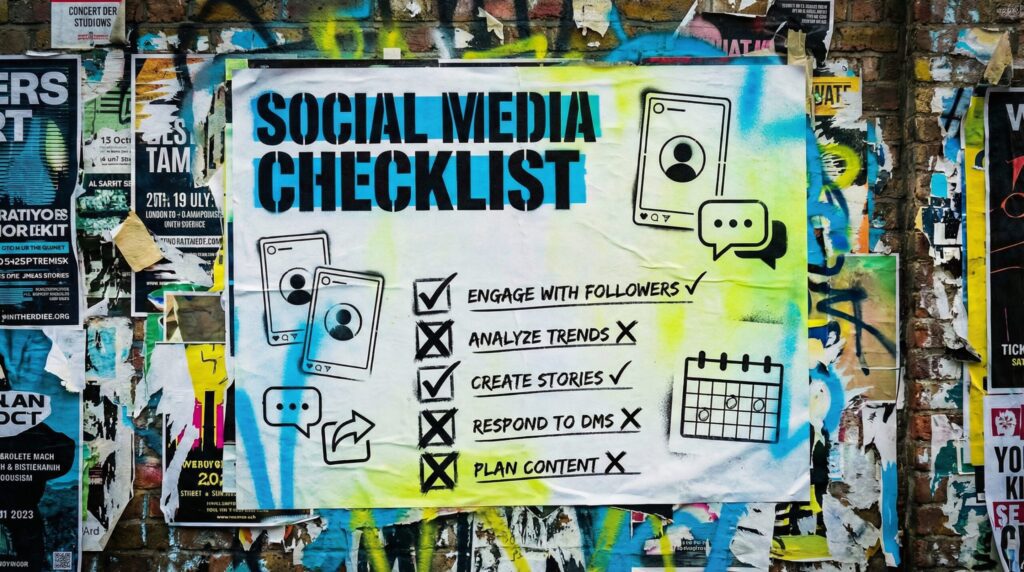
You do not need to be on all of them. You need to be on the one or two where your customers already are, posting often enough to be remembered.
Working out the best social media for small business owners starts with a question nobody asks: where are your customers already scrolling? Get that right and one platform beats five, because consistency on one beats a trickle on all of them.
This guide walks through the platforms that actually earn their place for a small business, what each one is good at, and how to drop the rest without guilt.
The quick version
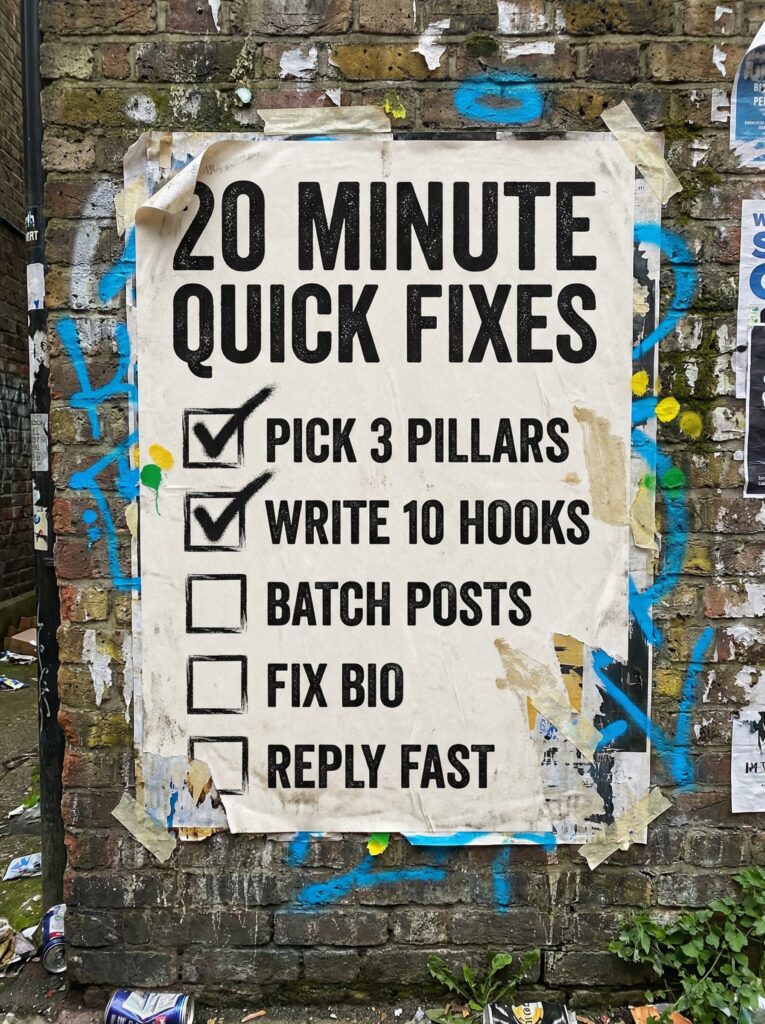
If you only have twenty minutes, do these. They will tell you which platforms deserve your time.
- Write down where your last ten customers actually found you
- Pick the two platforms that match, and only those two
- Batch a week of posts in one sitting
- Set up one clear next step on each profile you keep
- Reply to comments and messages within the day, not the week
Two platforms done properly will beat five done badly, every time. The rest of this guide is how you pick the two.
Not sure which one to pick?
Most owners pick platforms based on what they personally use, or what somebody told them was growing. Neither has anything to do with where their customers are.
The right answer is usually boring, local and already obvious once you look at where enquiries came from last year.
Our full guide to choosing the best social media for your small business
There is no single best social media for small business across the board. There is a best one for your customers, your product and the amount of time you actually have, and those three things narrow it down fast.
Step 1: Start with where your customers already are
Before you look at any platform, look at your own enquiries. Where did the last ten customers come from? Word of mouth, Google, a Facebook group, a friend of a friend?
That list is worth more than any statistic about which app is growing fastest. You are not trying to reach everyone, you are trying to reach the few hundred people near you who might actually buy something.
Most owners are surprised by this exercise. The platform they have been pouring hours into is rarely the one that produced the enquiries, and the one that did is often somewhere they barely post.
Three quick sources of truth:
- Ask new customers how they heard about you, and write it down
- Check which platform already sends you the odd message
- Look at where your two best local competitors post, and how often
Step 2: Facebook, still the default for most local businesses
If you sell to consumers in a specific area, Facebook is usually the honest answer, however unfashionable that feels. Local groups, community pages and Marketplace still drive real enquiries for trades, salons, cafes and garages.
It is also the platform where a business page with reviews and opening hours does quiet, unglamorous work. Somebody hears your name, checks you exist, sees a post from last week rather than last year, and calls.
That is most of what social media does for a small local business. It is not a lead machine, it is proof that you are still trading and that other people have used you. Underrated, and much easier to sustain than chasing reach.
Worth your time if:
- You sell locally, to consumers, in a defined area
- Your customers skew over thirty five
- There are active community groups where you work
- You want reviews and basic business details in one place
Step 3: Instagram, when the work is visual
If the result of your work photographs well, Instagram earns its place. Before and after, finished rooms, plated food, hair, gardens, cakes. The work sells itself and the caption barely matters.
If your work does not photograph well, Instagram becomes an expensive hobby. Accountants, insurance brokers and most trades that work inside walls struggle here, and no amount of clever captioning fixes it. Be honest about which one you are.
The test is simple: could somebody understand what you sell from the picture alone, with the sound off and the caption unread? If not, your time is better spent elsewhere.
Worth your time if:
- The finished job looks good in a photo or a short clip
- You can take pictures as you work without it being a chore
- Your customers are roughly eighteen to forty five
- You are happy to post a few times a week, not daily
Step 4: LinkedIn, when you sell to other businesses
If your customers are other companies rather than households, LinkedIn is the one worth the effort and the others mostly are not. Organic reach is still unusually generous there for plain, useful posts, and a text post about a problem you solved last week will often outperform anything you could design.
It also suits people who hate filming themselves, which rules out most of the alternatives. If you can write two paragraphs about your work, you can use LinkedIn.
Once you have picked your platforms, make the next step obvious on each profile:
- One clear next step in your bio
- Contact button set up
- Link to your site
- One pinned post that explains exactly what you do and who for
Step 5: TikTok and YouTube, the reach play and what it costs
Both can put you in front of far more people than Facebook or Instagram will. Both also demand more from you: consistent video, a tolerance for filming yourself, and months before it compounds.
For most small businesses this is a second-phase decision, not a starting point. The businesses that do well on video treat it as a production commitment, not a marketing tactic, and they were already consistent somewhere else before they began.
If you are not posting reliably anywhere yet, starting here is the most common way to end up with nine videos and a dead account.
Only worth it if:
- You are comfortable on camera and will stay comfortable in month four
- You can commit to a fixed number of videos a week for six months
- Your topic has genuine search demand on YouTube
- You already have one platform running steadily
- You are not relying on it for enquiries this quarter
Step 6: Pick two, and drop the rest without guilt
Two platforms, posted properly, will beat five neglected profiles every time. A dormant account with three posts from 2024 does more harm than no account at all, because it looks like you went out of business.
Close or archive the ones you are not using, or leave a single pinned post pointing people to where you actually are. Nobody will judge you for not being on a platform. They will judge you for looking abandoned on one.
What to do with the ones you drop:
- Keep the two that match your customers and your format
- Point dead profiles at the live ones with a pinned post
- Reuse the same content across both, do not write twice
- Review the choice once a year, not once a week
Common mistakes when picking platforms
These are why the best social media for small business ends up feeling like a second job rather than a source of enquiries.
- Being on every platform, which means being properly on none
- Picking the platform you personally enjoy rather than the one your customers use
- Chasing whichever app is growing fastest this year
- Copying a national brand whose audience looks nothing like yours
- Leaving dormant profiles up with a post from two years ago
- Writing different content for each platform instead of reusing one idea
- Judging a platform after three weeks
DIY lane vs done for you lane
DIY lane:
Perfectly doable. Work out where your last ten customers came from, pick two platforms, and post twice a week on both for three months before you judge it.
Done for you lane:
We work out which platforms are worth your time, set them up properly, and run them so you get the enquiries without losing your evenings.
Related guides on The Wall
If you are working out the best social media for small business use, these guides will help you fill the platforms once you have picked them.
- Use social media content ideas if you need a simple bank of post ideas you can rotate without running dry.
- Read Google Ads for small business if you want paid traffic and organic content working together instead of as two separate jobs.
- Check the Landing Page Checklist if your posts are getting attention but the page you send people to is not doing enough.
Best Social Media For Small Business FAQs

Facebook for most local consumer businesses, Instagram if your work photographs well, LinkedIn if you sell to other companies. Pick on where your customers already are, not on which app you prefer.
Two, done properly. Five neglected profiles look worse than two active ones, and a dormant account with a post from two years ago suggests you have closed down.
Only if you are already posting reliably somewhere else and you are comfortable filming yourself every week for six months. It is a second-phase decision, not a starting point.
Three months of steady posting. Judging it after three weeks tells you nothing except that you posted for three weeks.
No. Write one idea and reuse it. Reformatting the same post for two platforms takes minutes; writing two sets of content is how people burn out and stop.

Quick tip
Rather have us handle this instead of DIY-ing it? That is literally the job.

Straight talking marketing that gets results.
No pressure, no jargon. Just a clear look at what’s stopping your site from bringing in more enquiries.
Book a free site reviewLike this guide?
Tell Google you want more like it. One click, no sign-up, and FlyPost guides start showing up more often in your search results.
Add FlyPost as a preferred sourceTakes you to Google, then straight back here.